Climate Havens: The Protection Paradox
Original Research, Emerging Sustainability Themes, Masters Thesis
An estimated 20 million people will move due to the effects of climate change by the year 2050 in the U.S alone. Whether cities and their residents are leaving or receiving, what are the implications of designations like ‘vulnerable’ and climate haven’? The concept of climate ‘destinations’ and climate ‘havens’ is both novel and emergent, and there is little research surrounding it. This research seeks to investigate and interrogate definitions that are critical to the designations of ‘vulnerable’ and ‘haven’ status (such as: risk, resilience, and vulnerability) as well as identify elements/indicators that contribute to these two designations while investigating Under what conditions can climate ‘havens’ achieve equity and ‘resilience’?
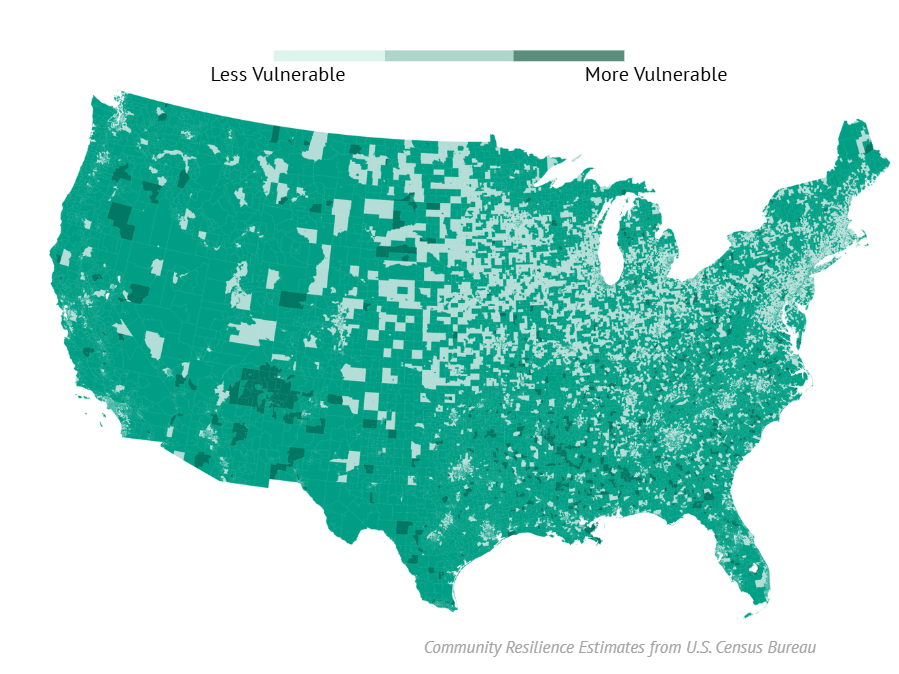
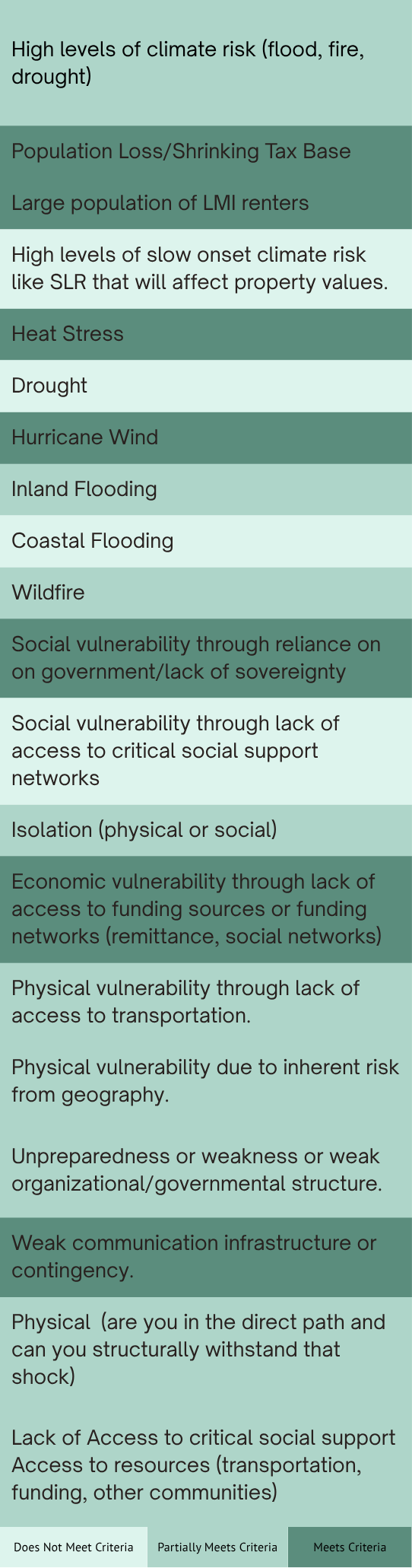
Is Vieques, Puerto Rico ‘Vulnerable’?
Vieques, PR - The Colony Within the Colony
Power and Fragility of Land: Viequenses have a long-standing practice of reclaiming abandoned or contested land for communal survival, resisting military occupation and speculative tourism.
Colonial Legacy: Viequenses face 30% higher cancer rates compared to mainland Puerto Ricans because of the U.S. Navy’s legacy.
Post-Hurricane Maria Collapse: Extended power grid failure led to thousands of excess deaths, highlighting the island's extreme vulnerability (due to policy) to climate shocks.
Social Cohesion and Kin Networks: Social cohesion is critical to both disaster recovery and migration.
Policy Shackles: PROMESA oversight board restricts economic self-determination, while Section 428 of the Stafford Act hampers "building back better" after disasters.
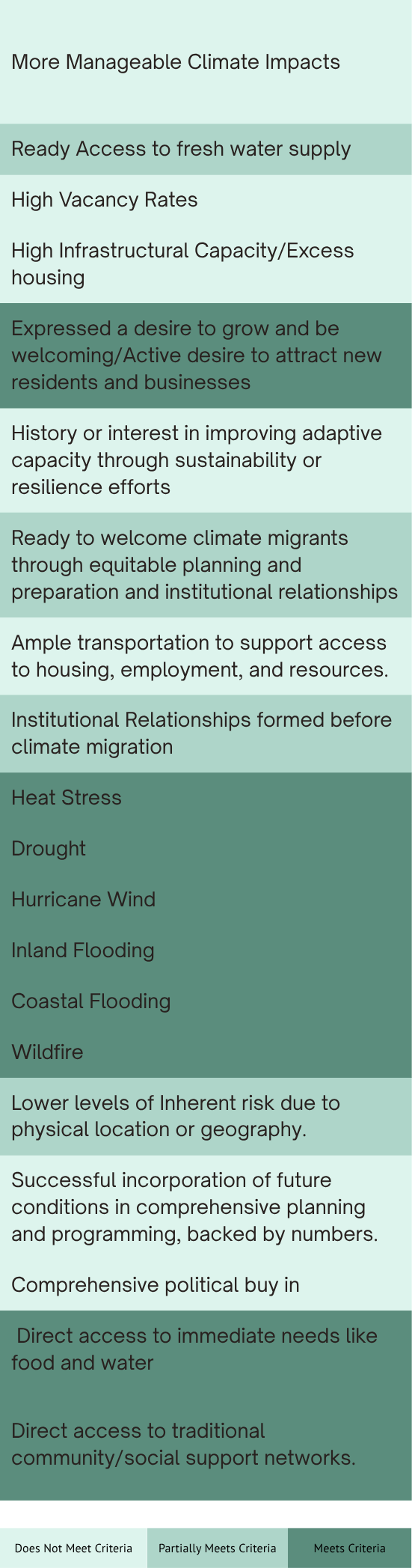
Is Buffalo, New York a ‘Climate Haven’?
Buffalo, NY: The City of Good Neighbors
Dramatic Demographic Shifts: The first population growth in 70 years occurred in 2020, fueled largely by refugee and immigrant arrivals.
Inequality: Buffalo remains highly
segregated; Black and Latino residents experience income and homeownership rates about half that of white residents.
Demolition and Diviinvestment: Aggressive housing demolitions since 2000 may hinder the city's ability to offer affordable, resilient housing stock needed for future climate migrants.
Unhealthy Housing Stock and Sick Buildings: Aggressive demolitions since 2000, 45% rent-burdened population, aging and unhealthy housing stock (lead, mold, asbestos), and inadequate retrofitting strategies threaten Buffalo’s ability to provide safe, affordable housing for future climate migrants.
Social Fabric as a Strength: Faith-based organizations, mutual aid networks, and cultural kinships provide critical resilience infrastructure, often filling gaps left by government failures
Findings + Recommendations
As planners, we have inherited a narrow set of frameworks and a limited toolbox of responses when it comes to climate migration. We must build tools and narratives that support flexibility, self-determination, and the dignity of people's choice to leave, stay, or return.
1.Build a Better Foundation: Open the Aperture of Data
Driving Insight: Bad inputs beget bad outputs.
1A. Leverage U.N. data on internal displacement alongside novel data streams like social media and flight records to better understand how people move.
1B. Add a ‘climate migration’ option to both post-disaster and immigration/refugee intake forms.
1C. Properly weigh qualitative data and the nuance of individual migration stories.
1D. Understand the weight of words: reconsider terms like ‘climate haven,’ ‘vulnerability,’ and ‘resilience,’ as these labels can shift outcomes and hinder migrants’ comfort.
2.Support Just Adaptation: Build With Nature, Not In Spite of It
Driving Insight: We can’t solve future issues with our current tools. We need to re-imagine current planning tools and add more to our tool box.
2A. Adopt Ecological and Risk-Based Transect Planning to promote sustainable adaptation and protect locals from speculative and predatory real estate. manage risk.
2B. Value natural assets as economic assets and explore personhood for critical asset to economically empower communities seeking to adapt in place and reinforce that climate vulnerability does not equate to disposability —these places are still livable, valuable, and worth protecting.
3.Support Just Migration: Address Mobility as a Right, Not a Reaction
Driving Insight: Climate migration is not binary; it is a flow shaped by deeply personal variables, yet current structures fail to support or codify this flexibility. Planners are uniquely positioned to connect stakeholders and build an adaptive migration network.
3A. Explore climate migration networks rather than using static labels like ‘climate havens’ or ‘vulnerable’ places. Center networks on critical elements of kin networks, flexible housing, and transportation.
3B. Planners and network-builders should adopt mutual aid principles (solidarity, not charity) and the USAID climate migration framework (pre-journey, journey, reception/integration, return). Reframing cities, organizations, and individuals as nodes in a network rather than just ‘leavers’ or ‘receivers.’